Research & Development
Our mission
The IRCAD Research & Development team is at the forefront of global surgical innovation. Our mission is to design, develop and deploy breakthrough technologies that push the boundaries of minimally invasive surgery, from AI-driven solutions to robotics and remote interventions.
Through Surgical Data Science (SDS), we create intelligent systems powered by clinical data to improve training, strengthen surgical teams’ capabilities, make procedures safer and broaden access to high-quality care around the world.
Key research figures
Tangible results that showcase the excellence and global impact of our research.
3,655
international communications
1,820
publications
117
book chapters
5,592 scientific publications shaping the future of minimally invasive surgery and positioning IRCAD as a global leader in surgical innovation.
Our research areas
Our programs explore the frontiers of surgical innovation across four major areas.
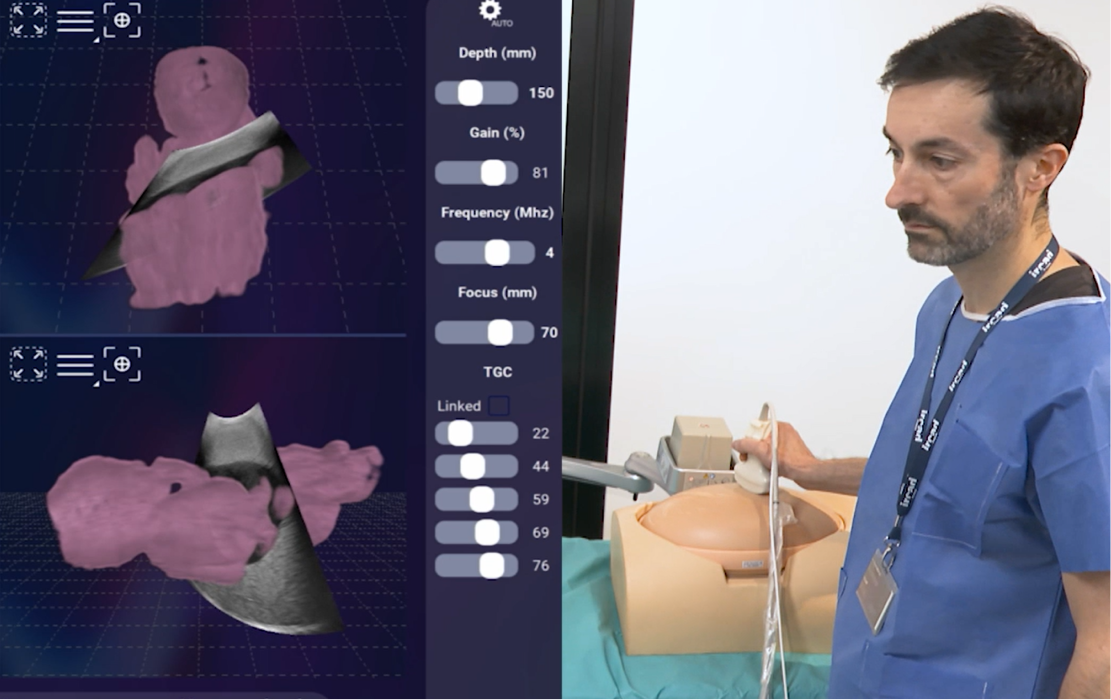
Medical imaging & artificial intelligence
Development of AI algorithms for the analysis and interpretation of medical images, particularly in ultrasound, to improve diagnostic accuracy.

Next-generation surgical robotics
Innovation in the development of surgical robots, particularly for tumor ablation procedures, enabling greater precision and less invasive interventions.
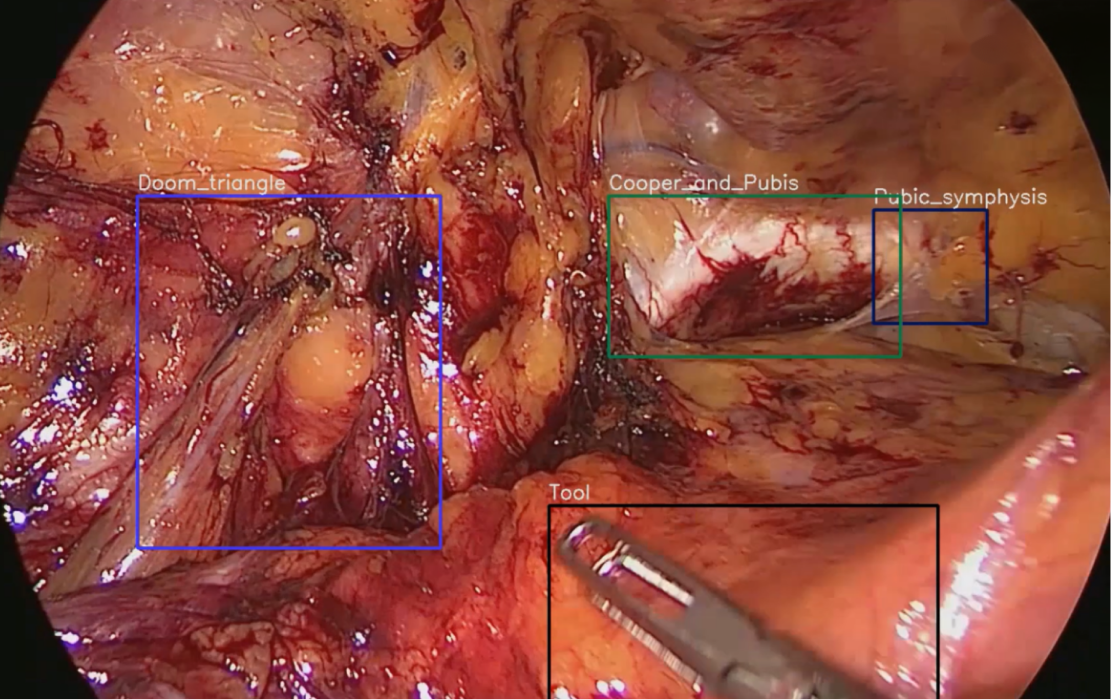
Automatic analysis of surgical videos
Use of AI for the automatic recognition of anatomical structures during procedures, providing support to surgeons and contributing to the prevention of complications.
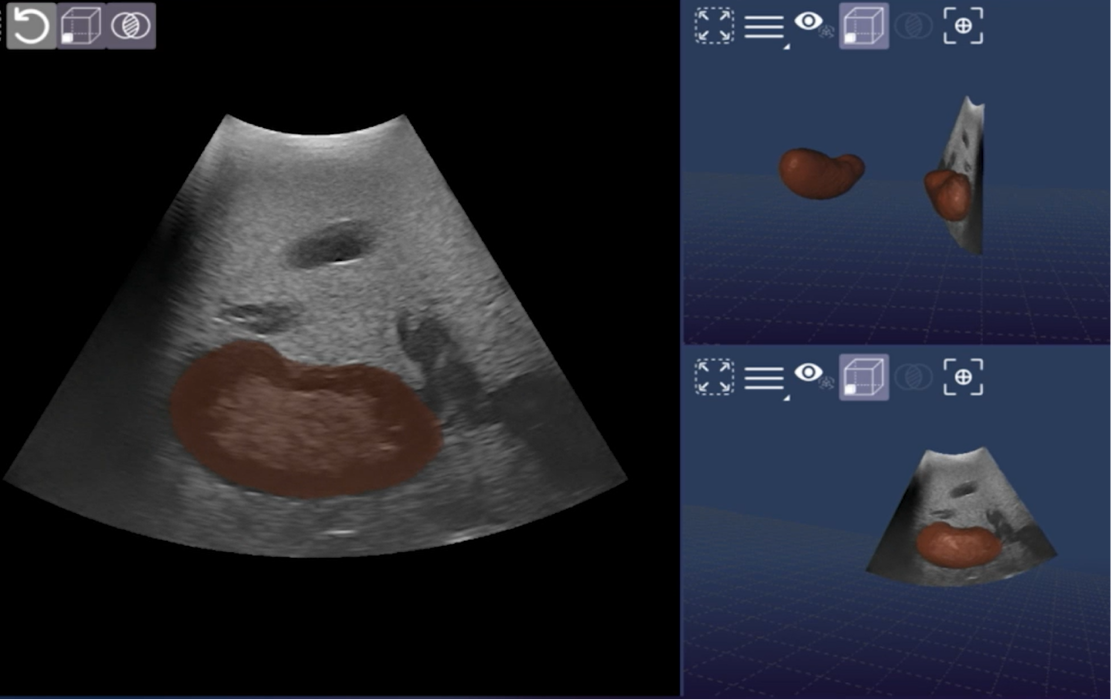
Real-time augmented reality
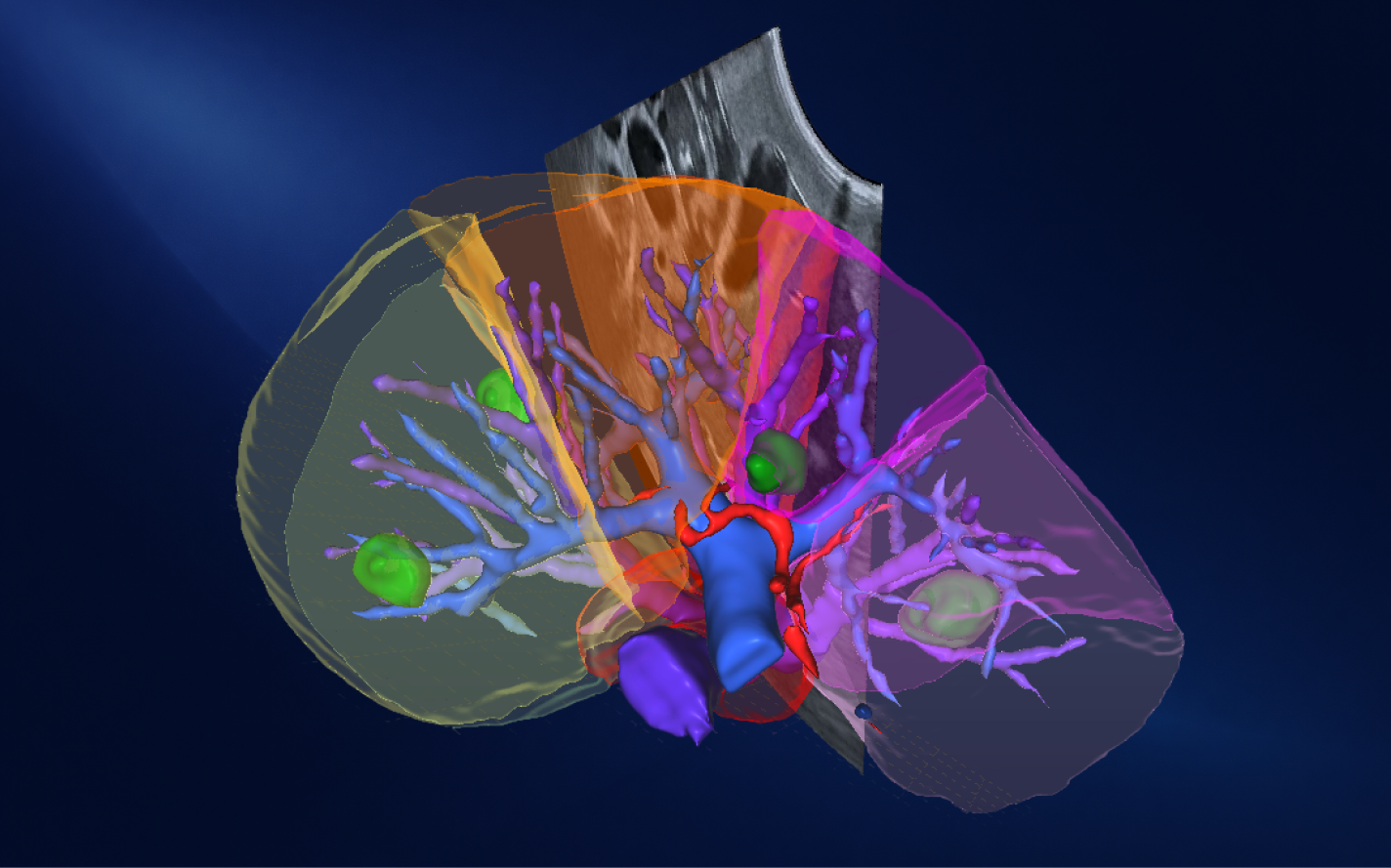
Research into innovative solutions to integrate augmented reality with real-time imaging during surgical procedures
Our team
A multidisciplinary, international group dedicated to driving surgical innovation.
IRCAD France
Over than 25 researchers, engineers, physicians, and PhD candidates collaborate daily in our laboratories.
Our strength lies in the diversity of our backgrounds: computer scientists, roboticists, surgeons, AI specialists, biomedical engineers, and more.
IRCAD International
Our team works closely with IRCAD institutes worldwide.
This interconnected network facilitates the sharing of knowledge and expertise, enriching our research and driving innovation.
Fellows’ engagement
Each year, IRCAD France welcomes international fellows to join our research and education teams in Strasbourg.
They benefit from close supervision by experienced mentors in their fields and are fully integrated into IRCAD’s research environment, working with the latest technologies.
Expert connection
For over 30 years, IRCAD has relied on a global network of more than 800 international experts united by a commitment to excellence across all specialties.
Their expertise and diverse perspectives are instrumental in shaping our programs, enriching our courses, and advancing the field of surgery.
Datasets
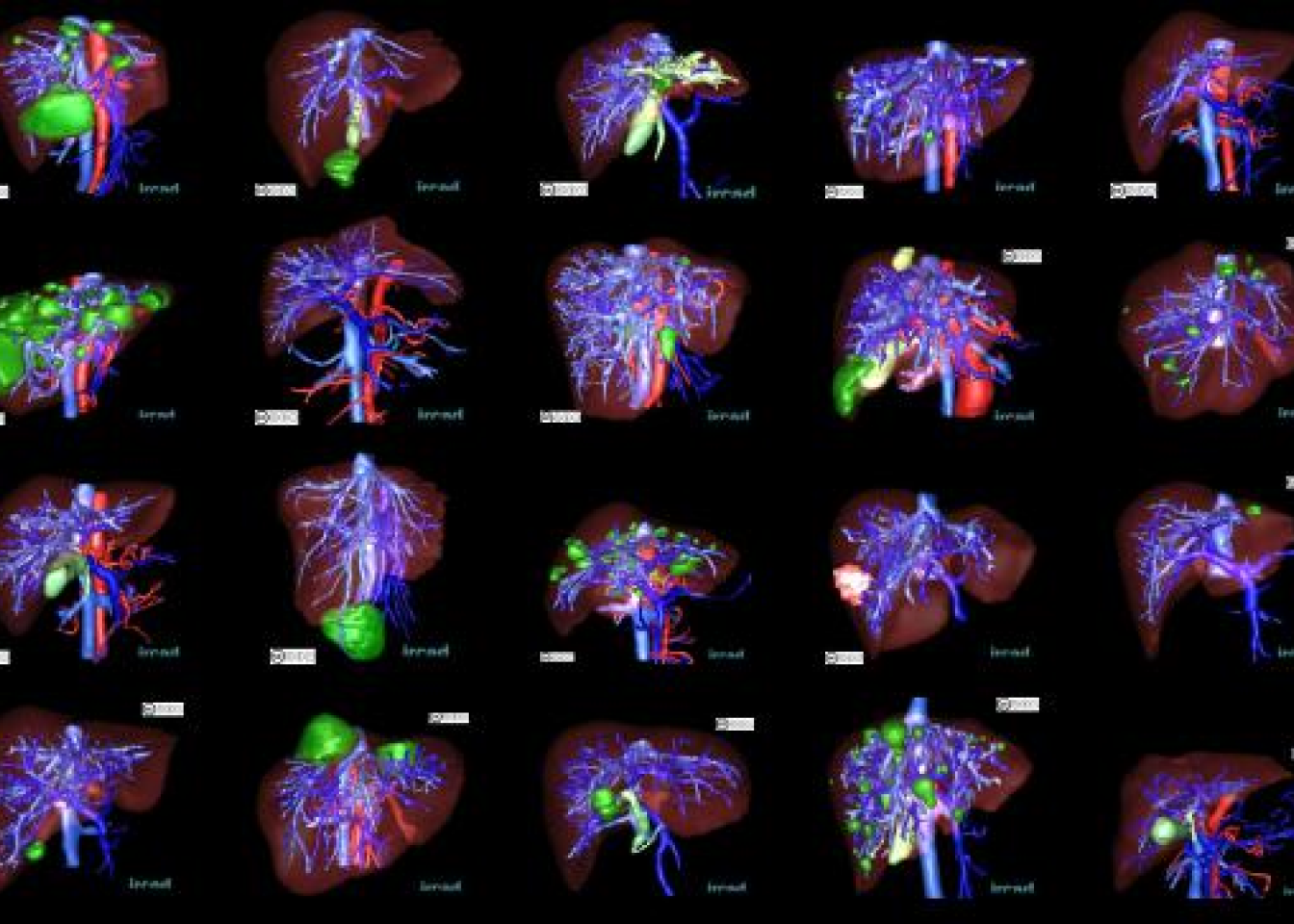
Liver segmentation
3D-IRCADb-01
This dataset is composed of the CT-scans of 10 women and 10 men with hepatic tumors in 75% of cases.
Where appropriate, the Couinaud segment number corresponding to the location of tumors is also provided.
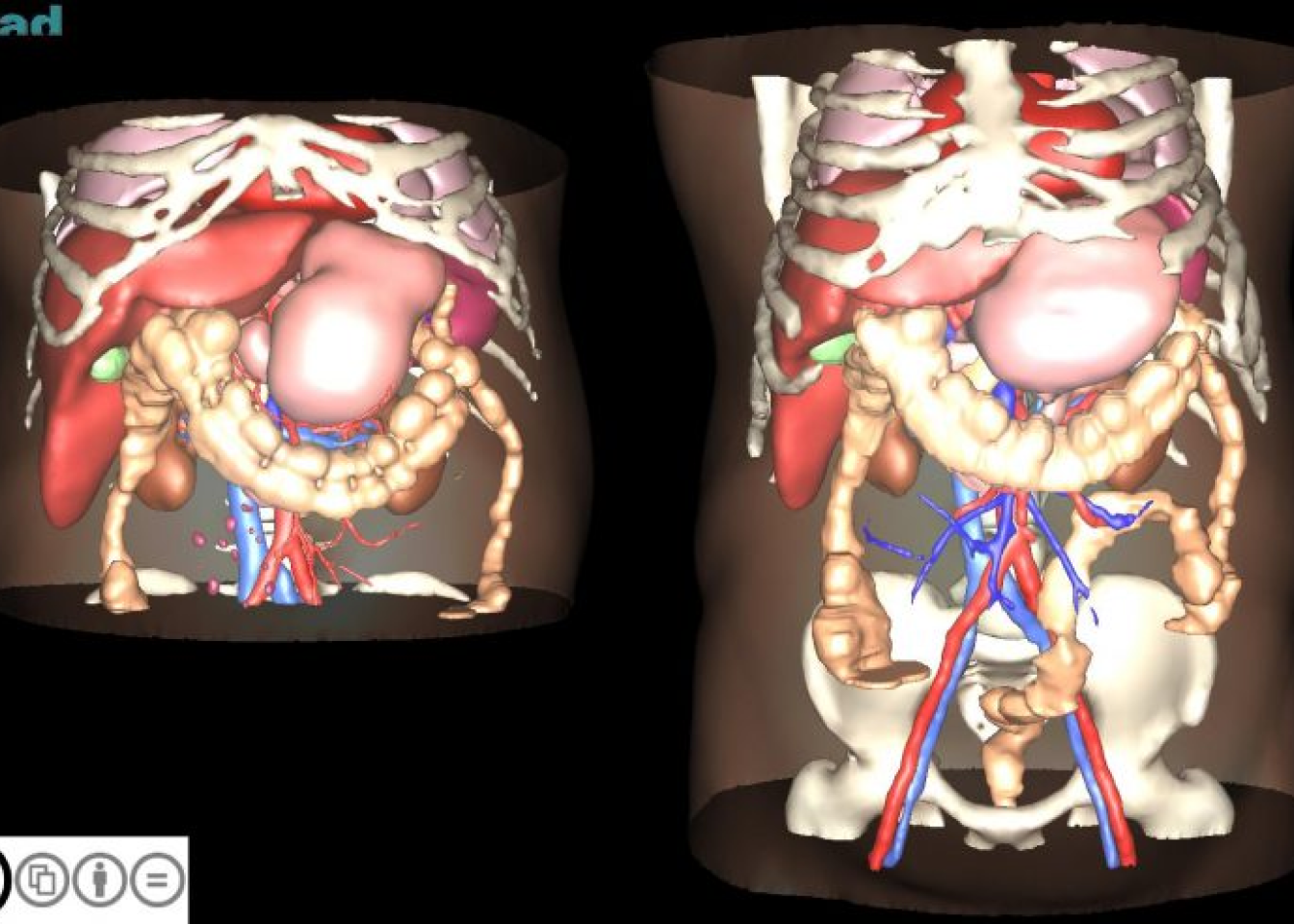
Respiratory cycle
3D-IRCADb-02
This dataset is composed of 2 anonymized CT-scans. The first one has been realized during
the arterial phase in inhaled position, whereas the second one has been realized during the portal
phase in exhaled position.
The patient has a hepatic focal nodular hyperplasia in segment VII
according to Couinaud’s description.

The DEPOLL dataset for evaluating registration accuracy in AR-guided liver surgery
DePoLL (the Deformable Porcine Laparoscopic Liver) dataset was created to quantitatively evaluate registration accuracy for AR-guided liver surgery using a pre-operative CT model.
Learn more about work
Our programs prioritize technology transfer.
Get in touch to explore research projects and collaboration opportunities.